What has been flipped?
Identify which elements follow the inverted rule and which, if any, do not. Exceptions often matter.
One damaged book opens onto a castle turned upside down. Here we look at how this inverted world challenges your sense of direction and how to approach it.
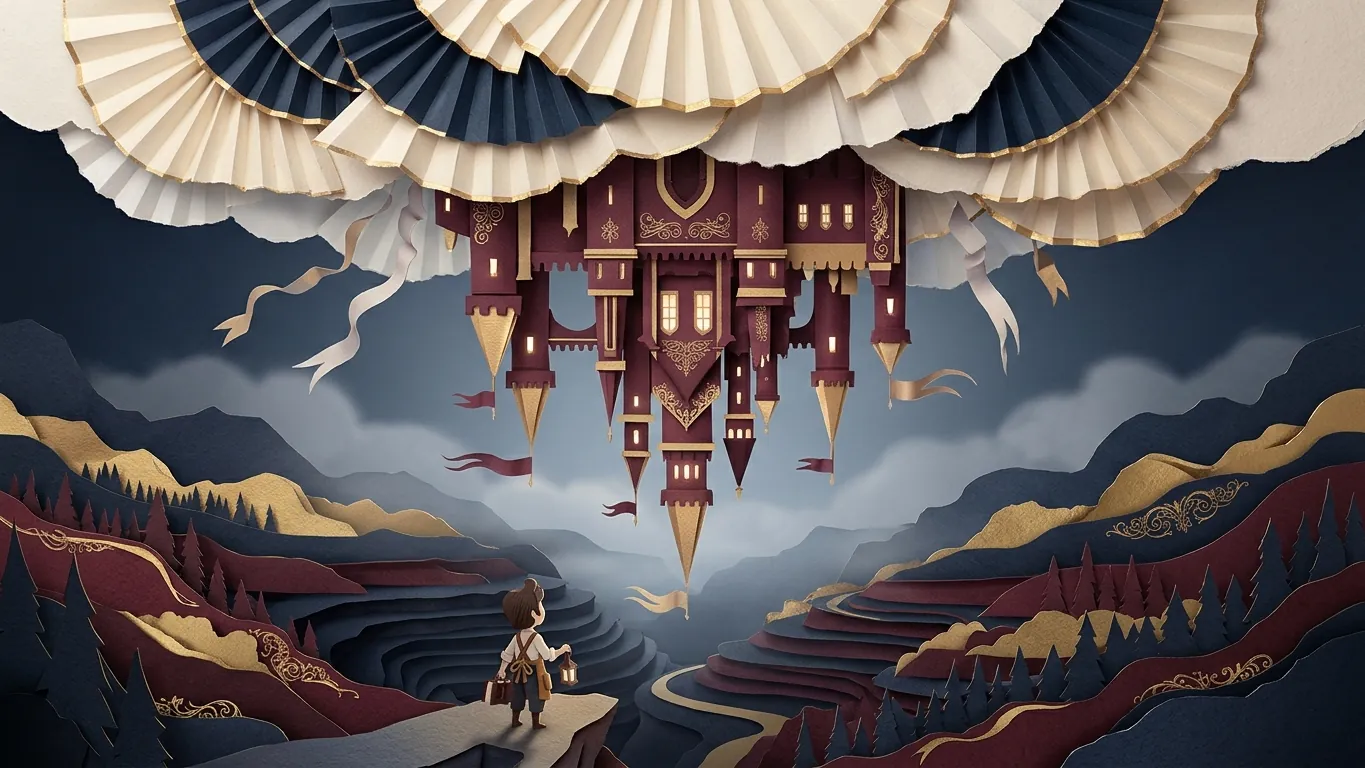
Castles are among the most recognisable shapes in storytelling. Towers point upward, gates open at ground level, flags wave above battlements. The upside-down castle takes all of that and flips it, so the familiar becomes disorienting.
In a game about books that change reality, an inverted castle is a fitting image of a story gone wrong. Something has been reversed, and part of the challenge is understanding what that reversal means for how you move, look and solve.
The first thing an inverted world asks is a change in instinct. What usually sits above may now sit below; what would normally fall might rise. Rather than fighting that, it helps to name the rule to yourself: in this place, up and down have traded roles.
Once you accept the rule, many details become readable. Staircases, doorways and windows still connect rooms in a logical way, just viewed from an unfamiliar angle. Tracing paths through the castle as if you were turning a page over in your hands can make the layout feel far less confusing.
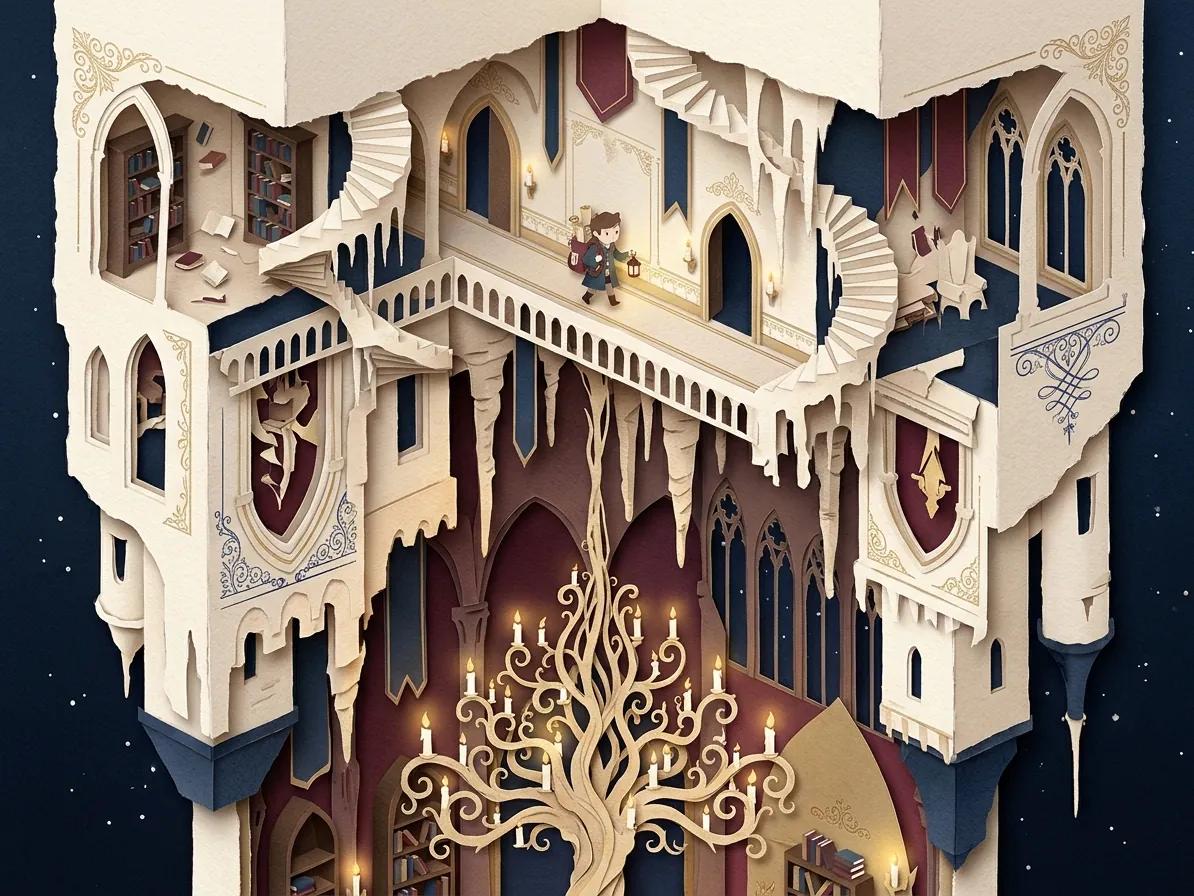
Inversion is not foreign to the bookbinder's work. Illustration fragments sometimes need rotating or flipping before they fit, and text can feel backwards when its order is scrambled. The upside-down castle turns these small bench-top experiences into a whole world.
That makes it a good place to practise a useful habit: when something almost fits but not quite, consider whether it is reversed. This question can unlock puzzles in the castle and on the page alike, and players who carry it between the two often find both easier.
When the castle leaves you puzzled, these questions can help reframe what you see.
Identify which elements follow the inverted rule and which, if any, do not. Exceptions often matter.
Imagine the castle the right way up and trace the same path. The route may become clearer.
Return to the story's pages. The text and drawings may show how the castle ought to look.
Since repairs affect reality, notice how the castle responds to each fix on the bench.
Turning a castle upside down is a playful idea, but it also says something about the game's themes. Stories shape how we understand the world, and when a story is damaged, our sense of order can tip over with it. The castle makes that idea visible.
It is also simply beautiful in a paper-collage style. Towers hanging like paper icicles, banners drifting upward and staircases leading to ceilings all lend the world a theatrical quality. Taking time to look around, rather than rushing to the solution, is part of what makes this book worth opening.
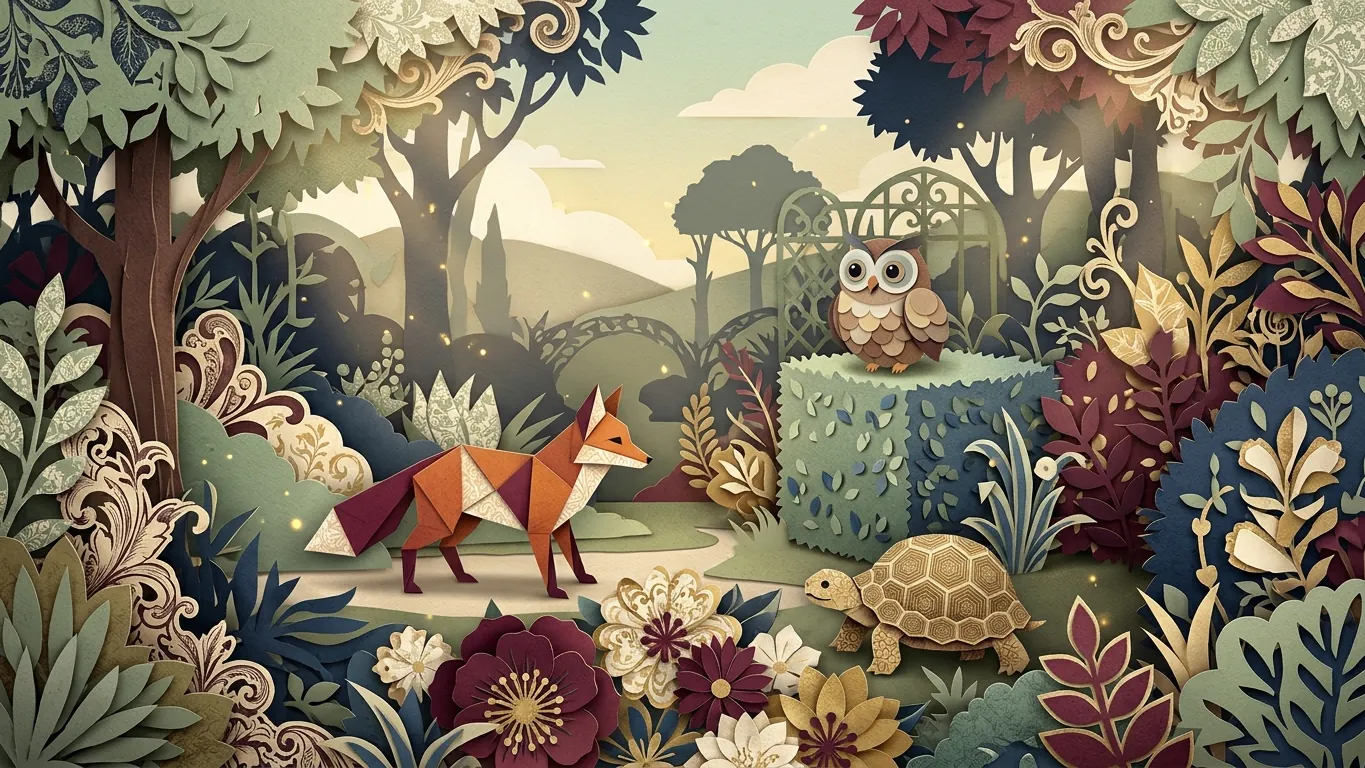 The garden of geometric animals
An explainer on the garden of geometric animals in the magic bookbinder game, looking at shapes, symmetry and patterns in this living paper world.
Read more
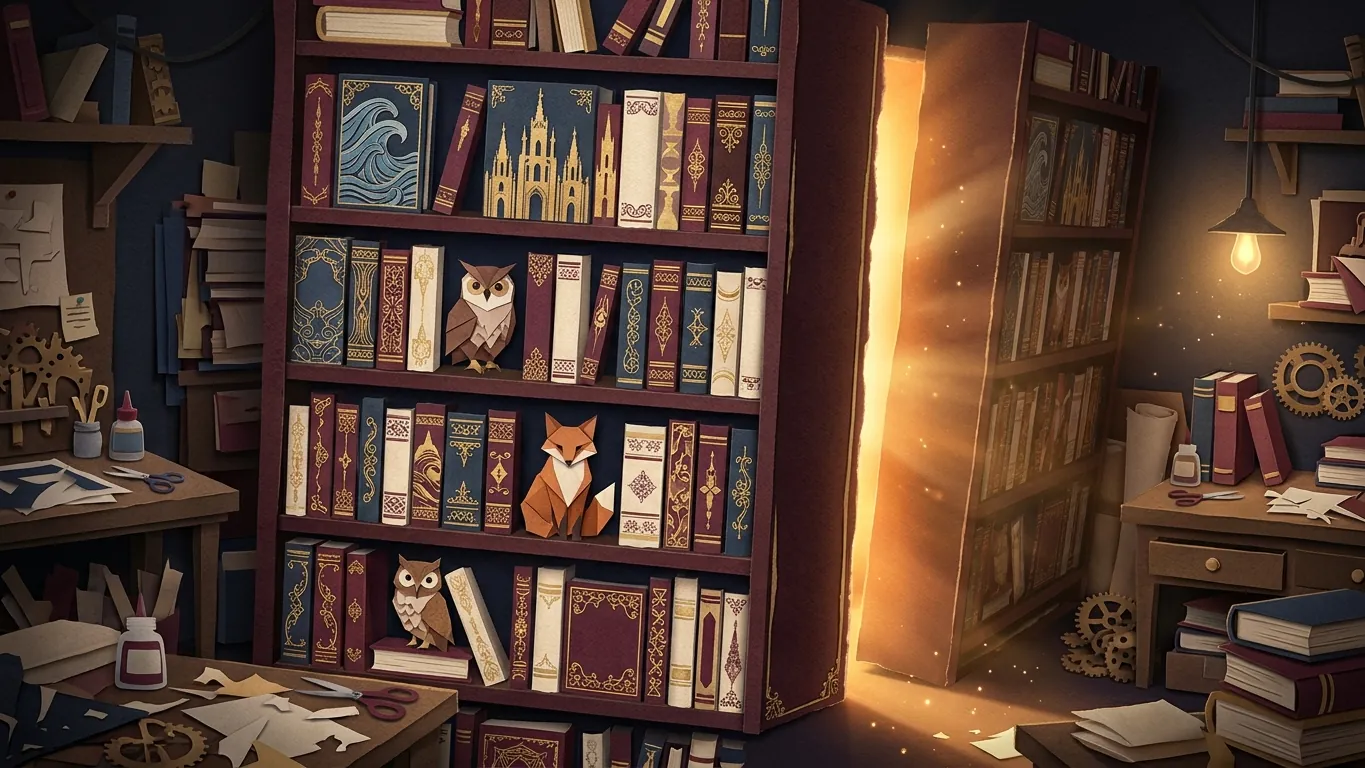 A shelf of restored covers and the mystery they frame
A look at the collection of restored covers in the magic bookbinder game and how it connects to the gradual reveal of the workshop's mystery. Light…
Read more
 Paper, type and drawings that breathe
An opinion piece on the paper-collage art, old-style typography and living drawings of the magic bookbinder game, and why they suit its themes so well.
Read more