First steps in the magic bookbinder's workshop
A beginner's introduction to the workshop, the damaged books that reshape the world and a calm routine for your first restoration.
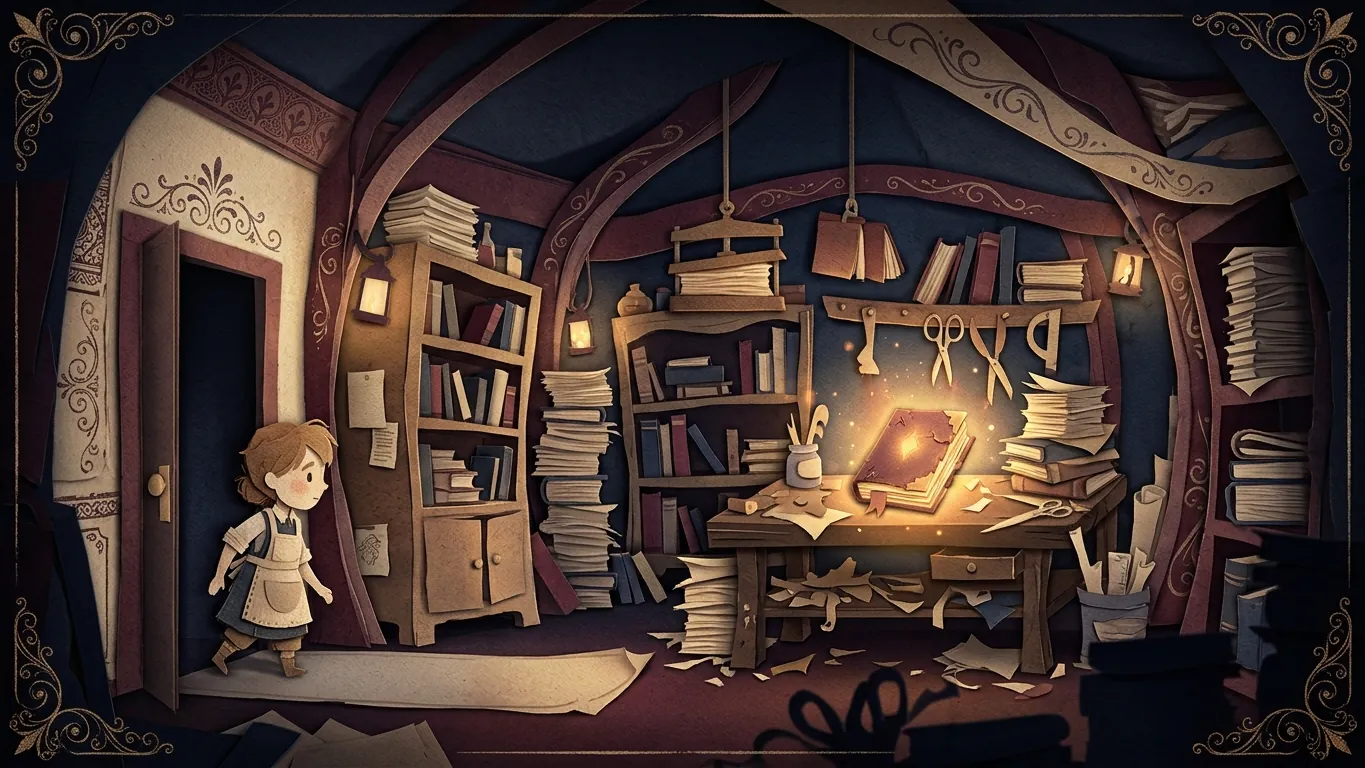
A workshop where books bend the world
The premise is simple to state and quietly strange to experience. You tend a bookbinding workshop in a fantastical version of Quebec, and the books brought to your bench are not merely worn. Their damage leaks outward. A torn page, a misplaced illustration or a paragraph shuffled out of order can change the reality around the book, and repairing it is how you set things right.
This means that every repair has two sides. On the bench, you are handling paper, pictures and lines of text. Around you, the world responds. Learning to watch both at once is the first real skill the game asks of you, and it is worth practising slowly.
Read the damage before you touch it
New players often reach for the first loose fragment they see. A gentler habit is to spend a moment simply looking. Which pages are torn, and where do the tears run? Are any illustrations clearly sitting in the wrong place? Do some lines of text seem to belong to a different moment in the story?
The damage itself is a kind of map. Tears tend to suggest where pieces once joined, illustrations often hint at the scene they belong to, and text fragments carry clues in their tone and content. Taking stock before acting usually makes the rest of the puzzle feel less like trial and error and more like detective work.
It also helps to notice what is not damaged. Intact pages give you reference points, a sense of the book's style and voice that you can compare loose pieces against.
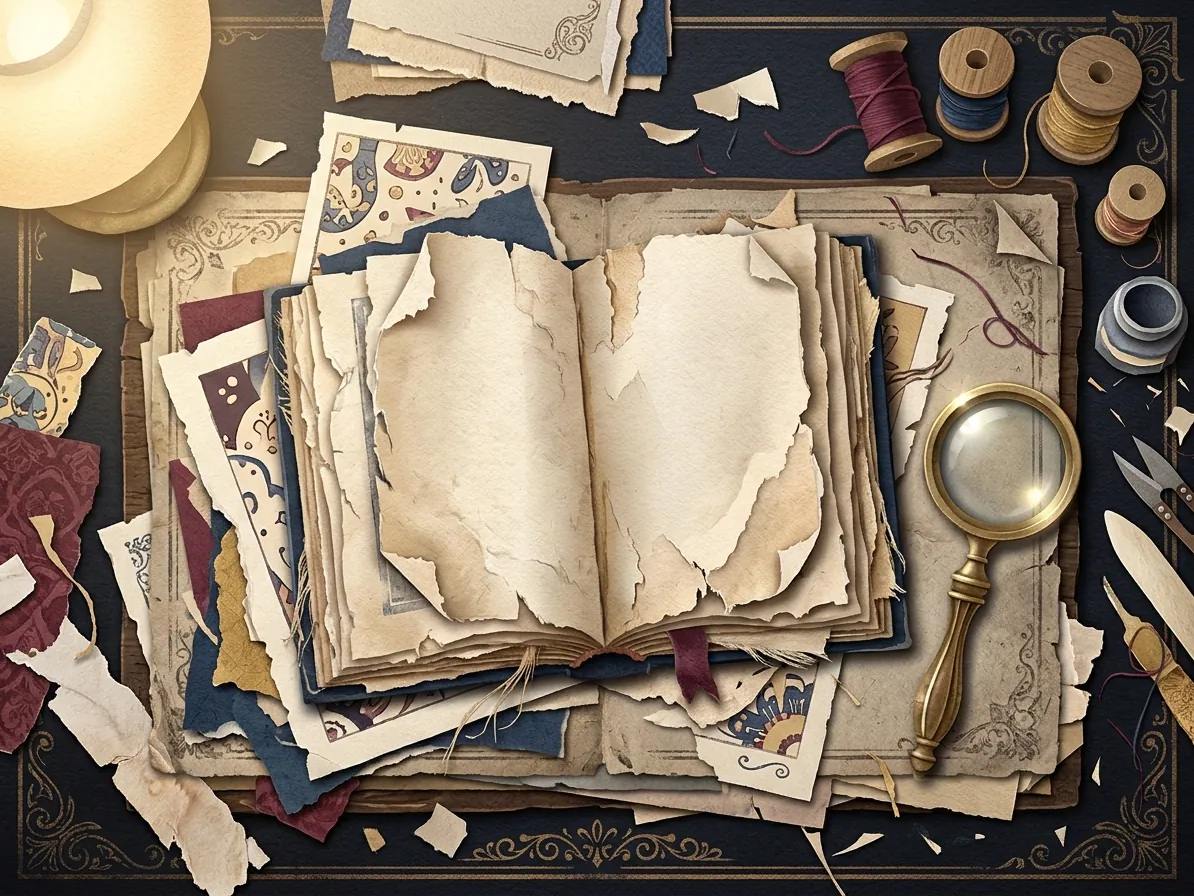
A calm routine for your first book
There is no single correct method, but this routine is a comfortable way to begin.
- 01
Survey the book
Leaf through every page you can reach and note what is torn, missing or misplaced before moving anything.
- 02
Start with the clearest fix
Choose the repair you feel surest about. A confident first step often reveals how the remaining pieces relate to each other.
- 03
Watch the world respond
After each change, look around. The way reality shifts can confirm that you are on the right track or suggest a different idea.
- 04
Step back when stuck
If nothing fits, return to the survey. Fresh eyes on the whole book tend to reveal a connection you passed over.
Why the fantastical Quebec setting matters
The workshop is not floating in a generic fantasy land. Its setting gives the game a particular atmosphere: old streets, winter light and a sense of history pressed into paper. That grounding makes the strangeness of the books stand out. When a page tears and the world bends, the contrast with a familiar, lived-in place is part of what makes the moment memorable.
It also fits the theme of preservation. A bookbinder's work is about caring for objects that carry memory, and placing that work in a city with deep layers of history feels natural.
Playing in French or switching to English
The game is presented in French, with the option to switch to English. Because text fragments are part of the puzzles, the language you choose shapes how you read clues. Some players enjoy staying in French for atmosphere; others switch to English to follow the logic of a sentence more comfortably. Either choice is reasonable, and you can experiment to see which suits you when a puzzle relies heavily on wording.
Related articles
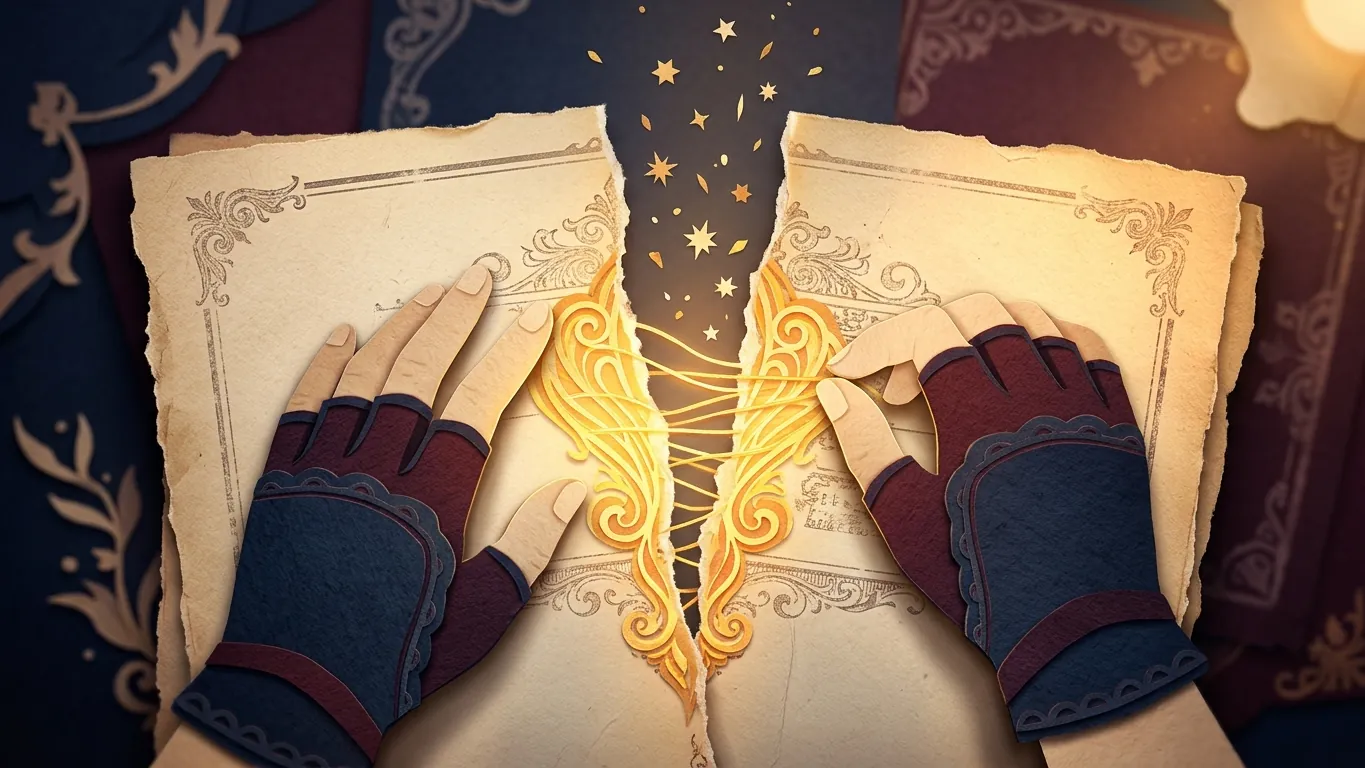 Restoring damaged pages without losing the thread
Practical tips for mending torn pages in the magic bookbinder game: reading edges, matching textures and staying patient with partial fits.
Read more
 Matching illustrations so the pictures tell the story again
A guide to aligning illustrations in the magic bookbinder game: following lines, colours and scenes so drawings return to their rightful place.
Read more
 Putting a scattered story back in order
How to rearrange scattered text fragments in the magic bookbinder game, using tone, time, grammar and story logic to put a narrative back in order.
Read more