Colour and shading
Patches of colour and soft shading usually continue across fragments. A sudden change in tone suggests two pieces do not belong together.
Illustrations that have slipped out of place can confuse both the book and the world around it. This guide explains how to read drawings as clues and line them up with care.
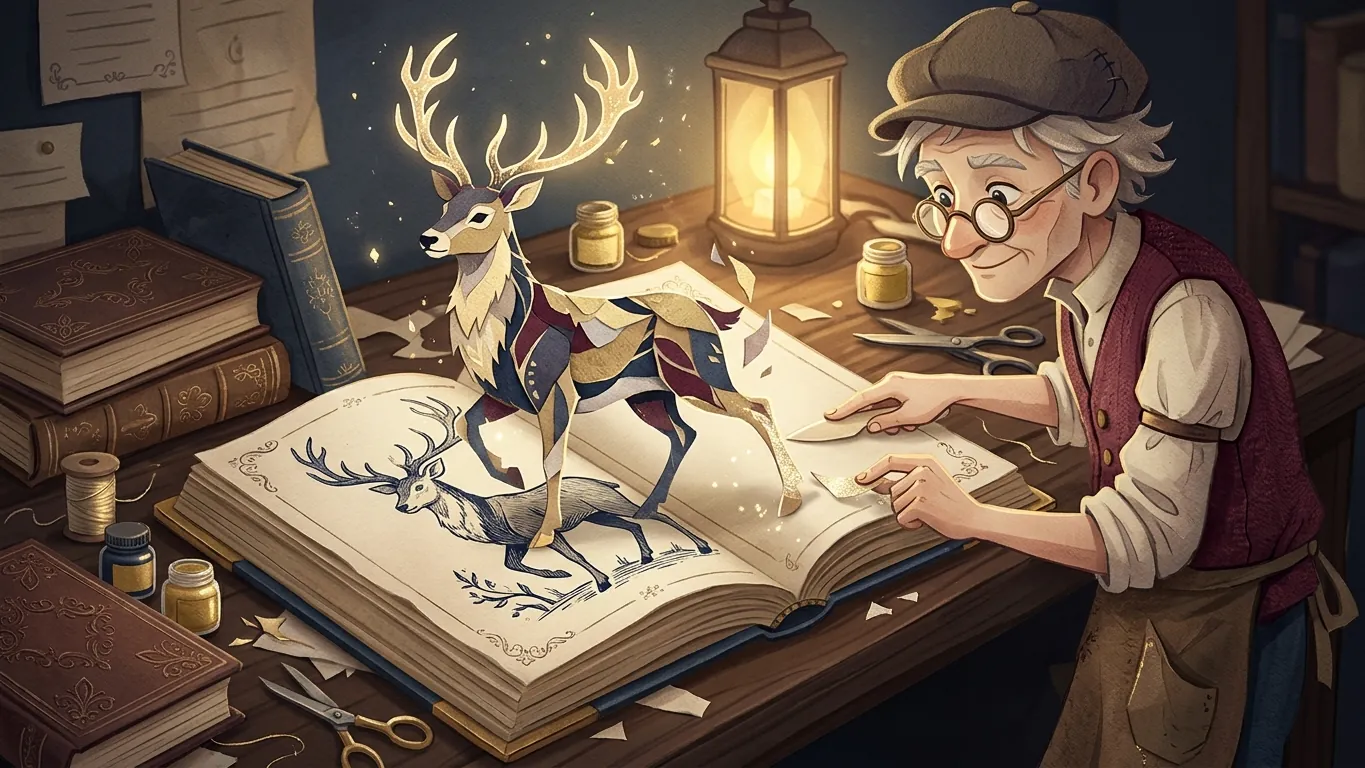
In the bookbinder's workshop, illustrations are more than decoration. They are part of how a story holds together, and when a book is damaged, drawings can end up on the wrong page, broken across fragments or misaligned with the text they belong beside. Since the game's drawings come alive, a picture in the wrong place can feel especially unsettling.
Matching illustrations is about restoring a relationship: the right image, at the right point, in the right orientation. Thinking of it that way helps more than treating each drawing as an isolated shape.
The most dependable clue is continuity. A drawn line, whether the curve of a wave, the edge of a roof or the stem of a flower, should continue smoothly from one piece to the next. When two fragments are correctly aligned, these lines meet without a jolt.
Start with strong, long lines that are easy to track. Horizons, borders and large outlines usually reveal alignment faster than small details. Once the big shapes agree, the smaller details tend to fall into place on their own.
If you find yourself nudging a piece back and forth, check whether it needs rotating or flipping rather than sliding. An upside-down fragment can look almost right while never quite fitting.
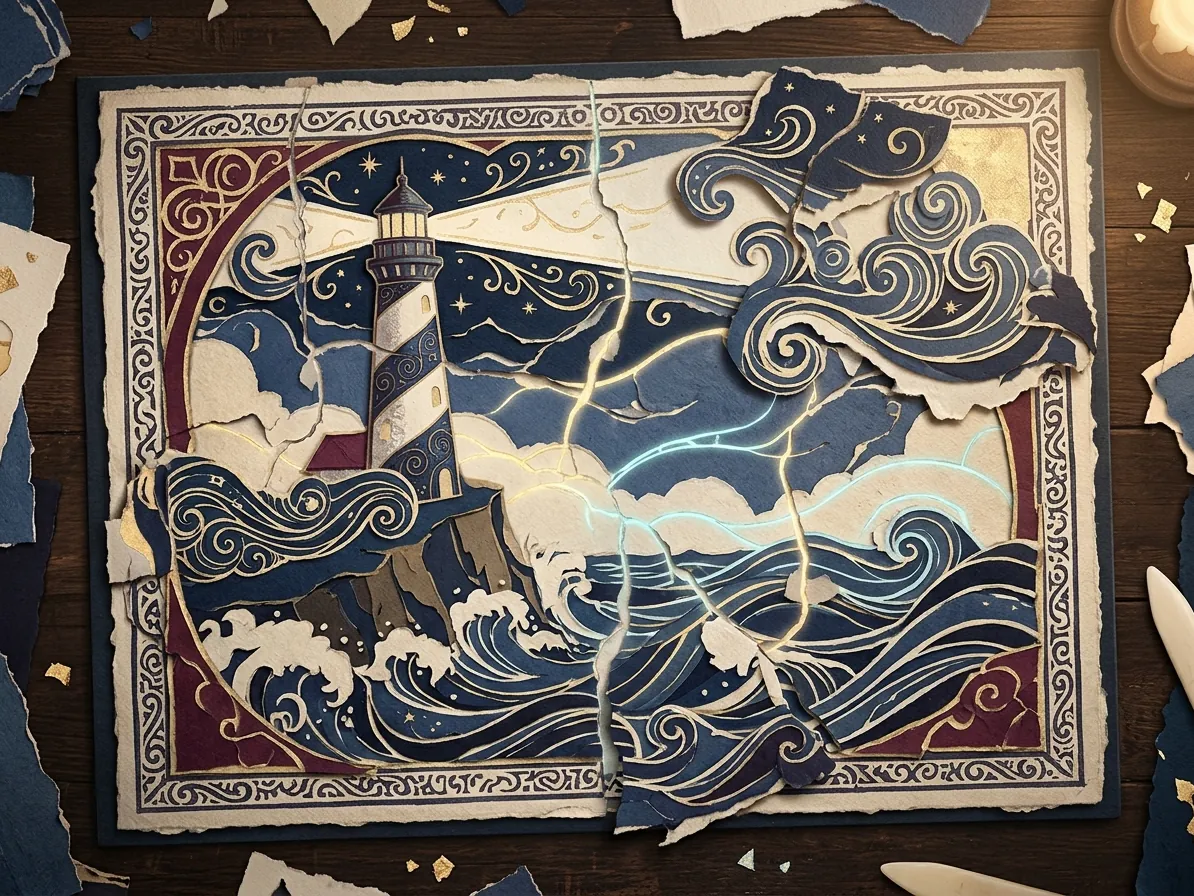
When lines alone are not enough, these other qualities of an illustration can guide you.
Patches of colour and soft shading usually continue across fragments. A sudden change in tone suggests two pieces do not belong together.
Ask what the drawing shows. A sea creature probably belongs near the ocean pages, not beside a castle tower.
Living drawings often face or move a certain way. Matching that direction to the flow of the page can confirm orientation.
An illustration usually echoes the words beside it. Reading nearby lines can tell you which picture the page expects.
Illustration puzzles rarely exist on their own. Often a drawing and a passage of text depend on each other, and the right placement of one makes the other easier. If a page describes a calm sea and the illustration beside it shows a storm, something is out of order, either the picture or the words.
A helpful habit is to move between the two kinds of puzzles. When illustrations stall, read the text fragments for hints. When the text is confusing, look at the drawings for the scene they describe. Each is a clue to the other.
One of the game's quiet pleasures is watching a corrected illustration react. Drawings that move or settle into place give a sense of the story breathing again. That moment is also useful information: it tells you the image now sits where it belongs.
If a drawing stays still or seems restless, take another look at its neighbours. The issue may not be the illustration itself but a nearby piece that still needs attention. Patience here pays off, because a fully aligned spread tends to feel complete in a way that is easy to recognise once you have seen it.
 Putting a scattered story back in order
How to rearrange scattered text fragments in the magic bookbinder game, using tone, time, grammar and story logic to put a narrative back in order.
Read more
 The paper ocean: a sea made of folds and ink
An explainer on the paper ocean, one of the worlds inside the magic bookbinder's books, with thoughts on how to approach its folded, drifting puzzles.
Read more
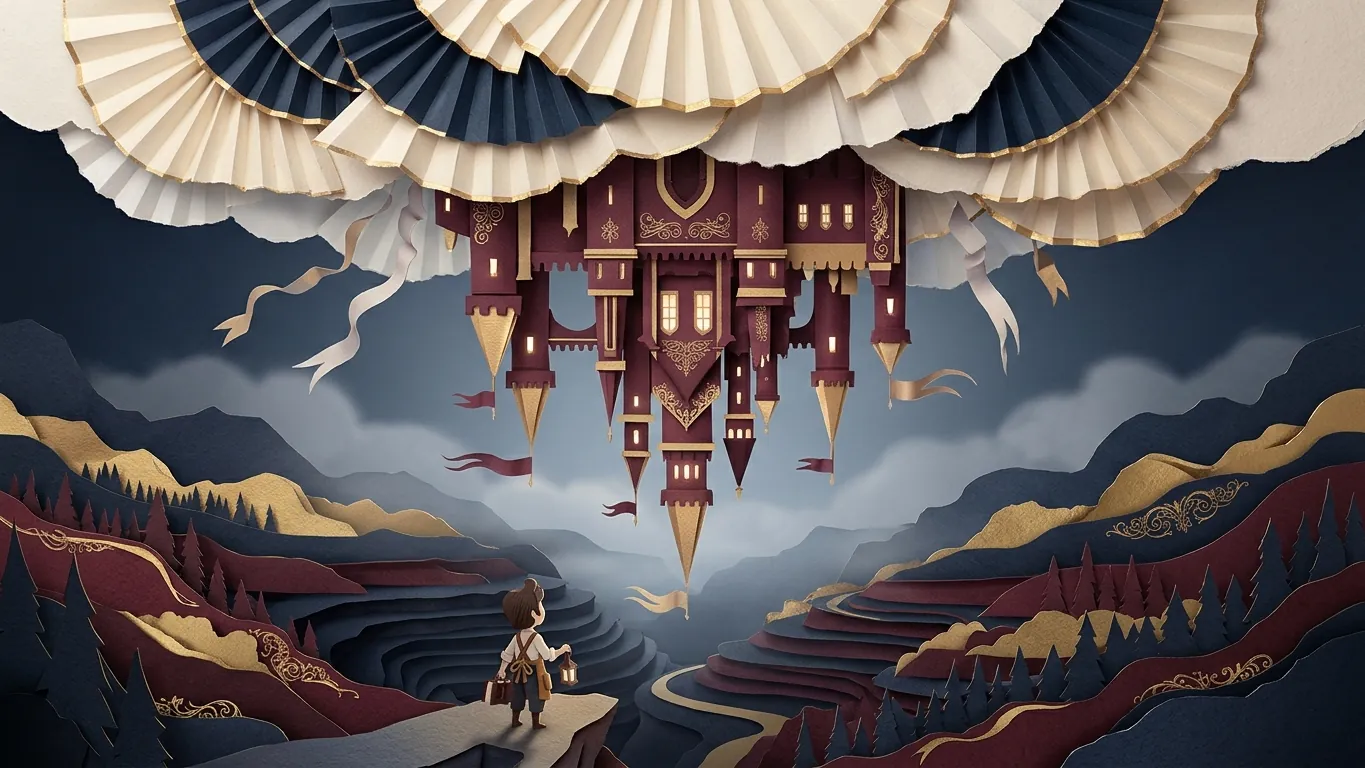 The upside-down castle: when a story stands on its head
An explainer on the upside-down castle in the magic bookbinder game, with ideas for thinking in reversed directions and reading an inverted world.
Read more