Putting a scattered story back in order
Text-fragment puzzles ask you to rebuild a narrative from loose pieces. This guide looks at the clues inside sentences that help you find their proper sequence.
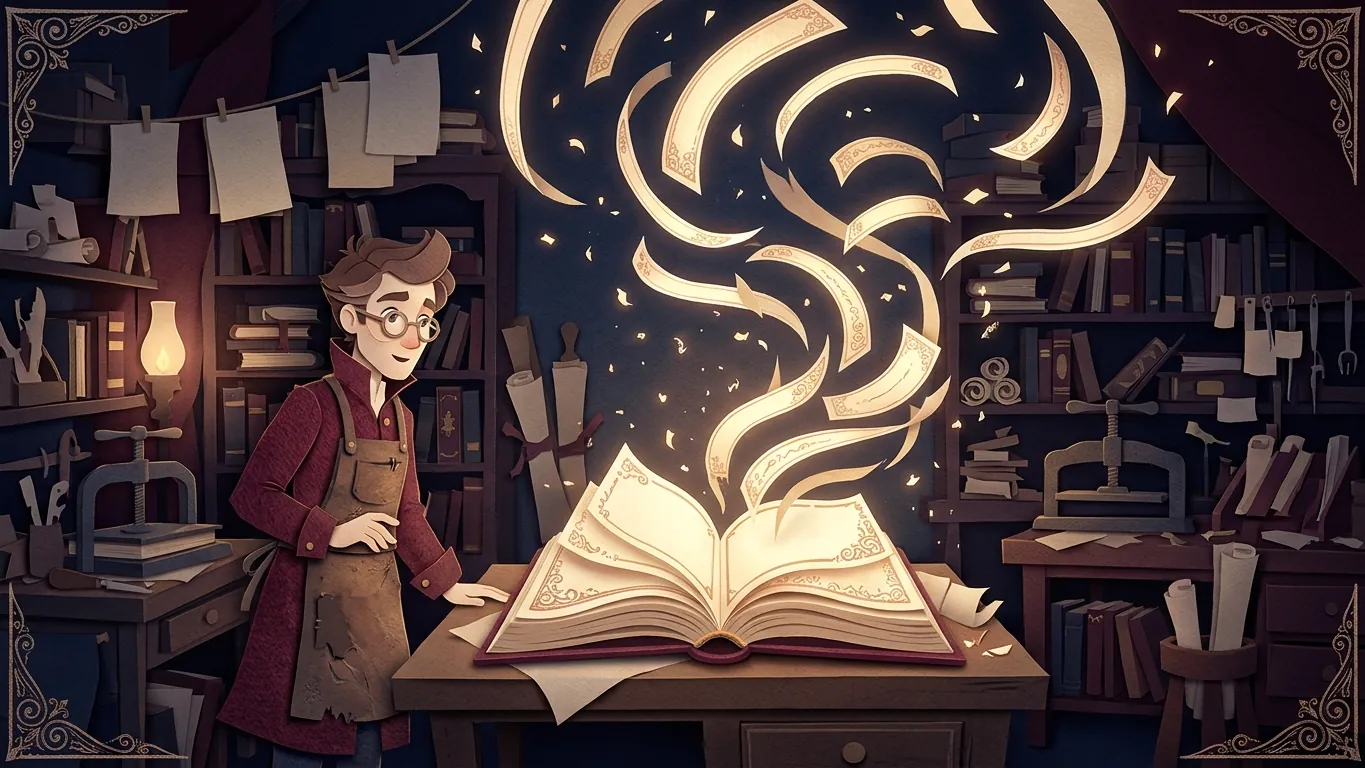
Why order matters in a magic book
A story is not only a set of events; it is a sequence. In the bookbinder's world, when fragments of text fall out of order, the story loses its shape, and the reality tied to that book can drift with it. Rearranging the fragments is how you return the narrative to a form that makes sense.
These puzzles can feel more abstract than mending torn paper, because the clues are in meaning rather than shape. The good news is that stories follow patterns, and those patterns are easier to notice once you know where to look.
A step-by-step way to read fragments
This approach works for many text puzzles, whether you play in French or switch to English.
- 01
Find the opening
Look for a fragment that introduces a place, a character or a situation without referring to anything before it. That is often the start.
- 02
Find the closing
Look for a line that resolves something, describes a final image or feels like a pause. Fixing both ends narrows the middle.
- 03
Trace references
Words such as then, after, he, she or it point back to something earlier. Each one connects a fragment to its predecessor.
- 04
Read it aloud in your head
Once arranged, read the whole passage. A smooth flow is usually a sign the order is right.
Listening for time and tense
Stories tend to move forward in time, and fragments often carry small markers of when they happen. Mentions of morning or night, of seasons, of something beginning or ending all help place a line within the sequence. Changes in tense can also hint at structure, such as a memory recalled in the middle of a scene.
If two fragments seem interchangeable, ask which one has to happen first for the other to make sense. A character cannot cross a bridge before reaching it, and a door cannot be closed before it is opened. Simple cause and effect resolves many uncertain pairs.
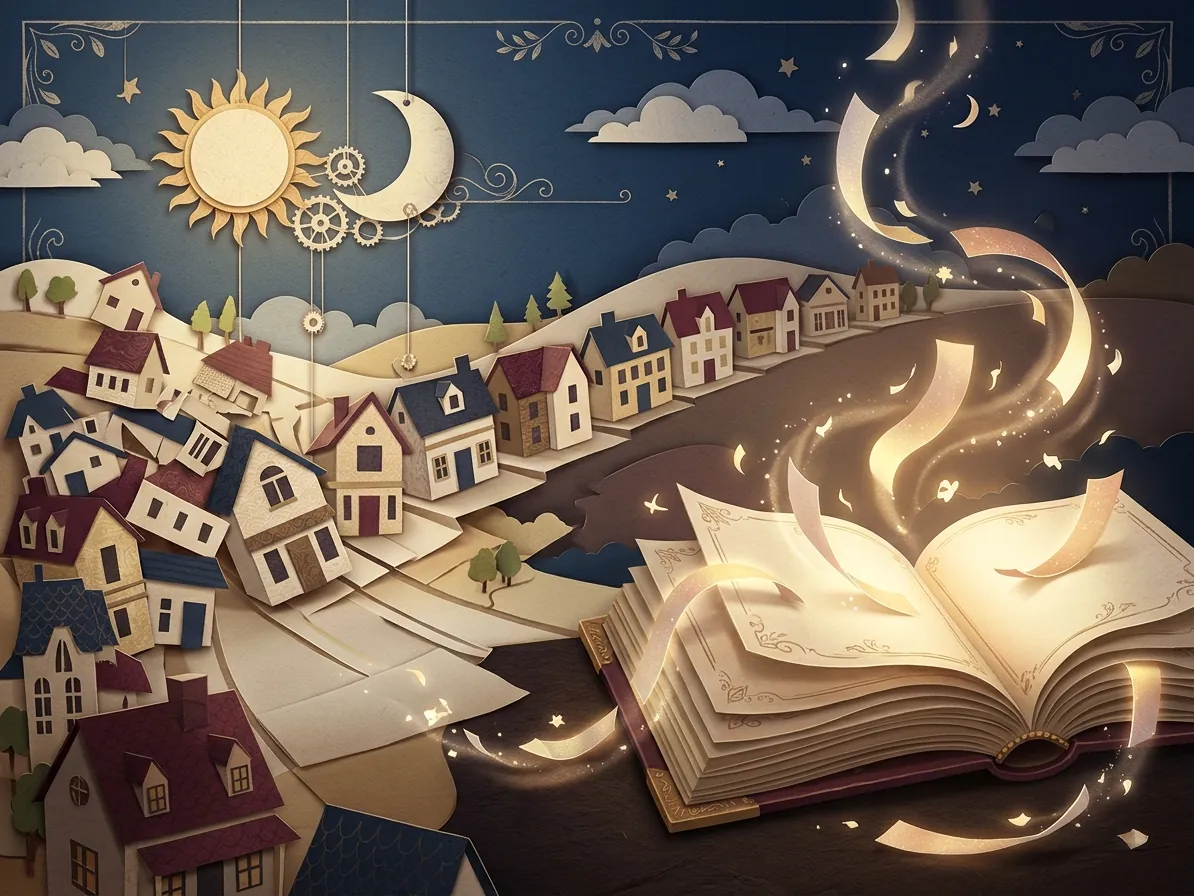
Tone, voice and the world around you
Each book has its own voice. A playful tale reads differently from a solemn one, and fragments from the same passage usually share a tone. When a line feels out of character, it might belong to a different section, or even to a different book entirely.
The world itself is another source of hints. Because the damaged books affect reality, the surroundings may echo the story's confusion. If the environment shows events happening in a strange order, compare that with the fragments in your hands. Sometimes the scene around you shows the intended sequence more plainly than the text does.
Choosing French or English for text puzzles
The game is presented in French and can be switched to English. For text-based puzzles, this choice has a real effect on how you read clues. Grammar and connecting words differ between the two languages, and the hints you rely on may feel clearer in the language you read most comfortably.
Some players stay in French for the atmosphere and switch to English only when a passage is stubborn; others prefer one language throughout. There is no wrong answer. What matters is that you can follow the logic of the sentences, because that logic is the thread that leads the story back to its proper order.
Related articles
 The paper ocean: a sea made of folds and ink
An explainer on the paper ocean, one of the worlds inside the magic bookbinder's books, with thoughts on how to approach its folded, drifting puzzles.
Read more
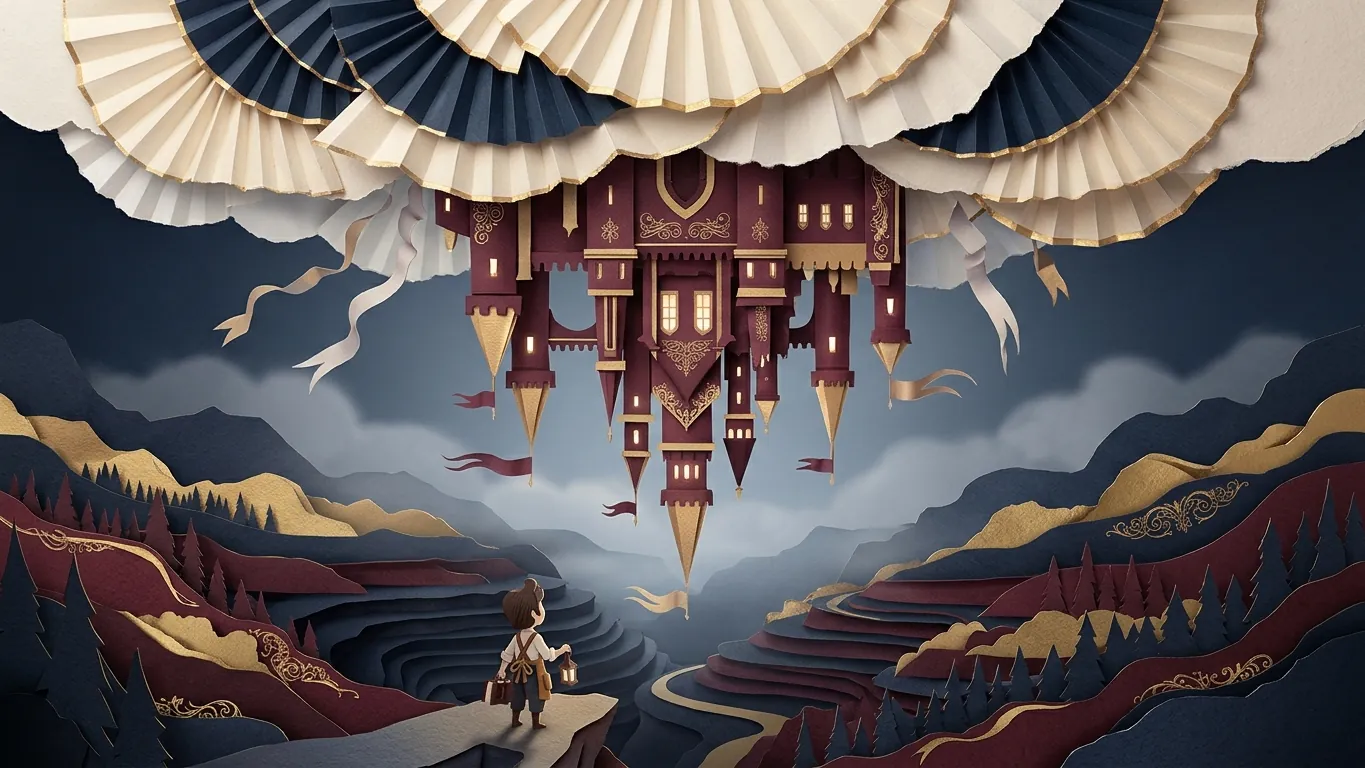 The upside-down castle: when a story stands on its head
An explainer on the upside-down castle in the magic bookbinder game, with ideas for thinking in reversed directions and reading an inverted world.
Read more
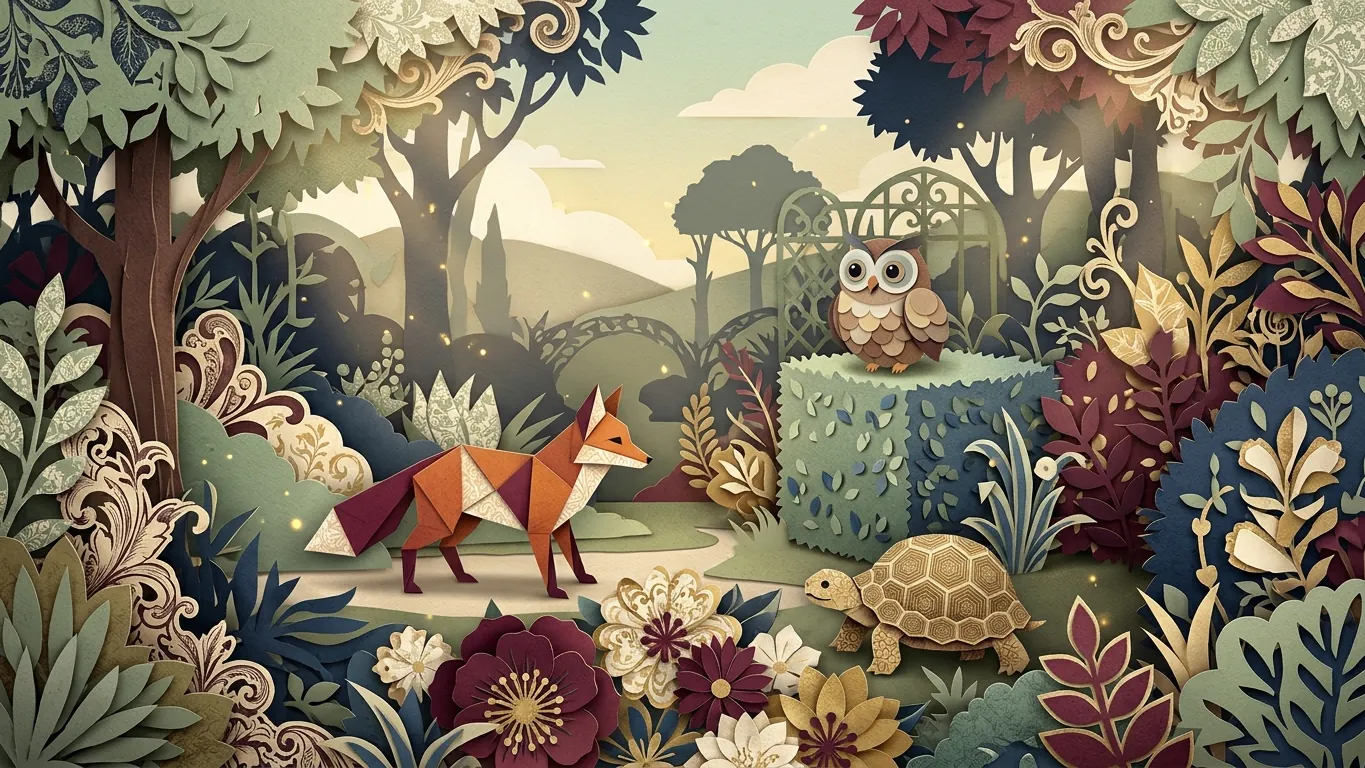 The garden of geometric animals
An explainer on the garden of geometric animals in the magic bookbinder game, looking at shapes, symmetry and patterns in this living paper world.
Read more